Navigating Media Libraries and Profile Systems to Streamline Branding Elements Across Casino Site Structures
Mia Simmons · Aug 19, 2026
Navigating Media Libraries and Profile Systems to Streamline Branding Elements Across Casino Site Structures
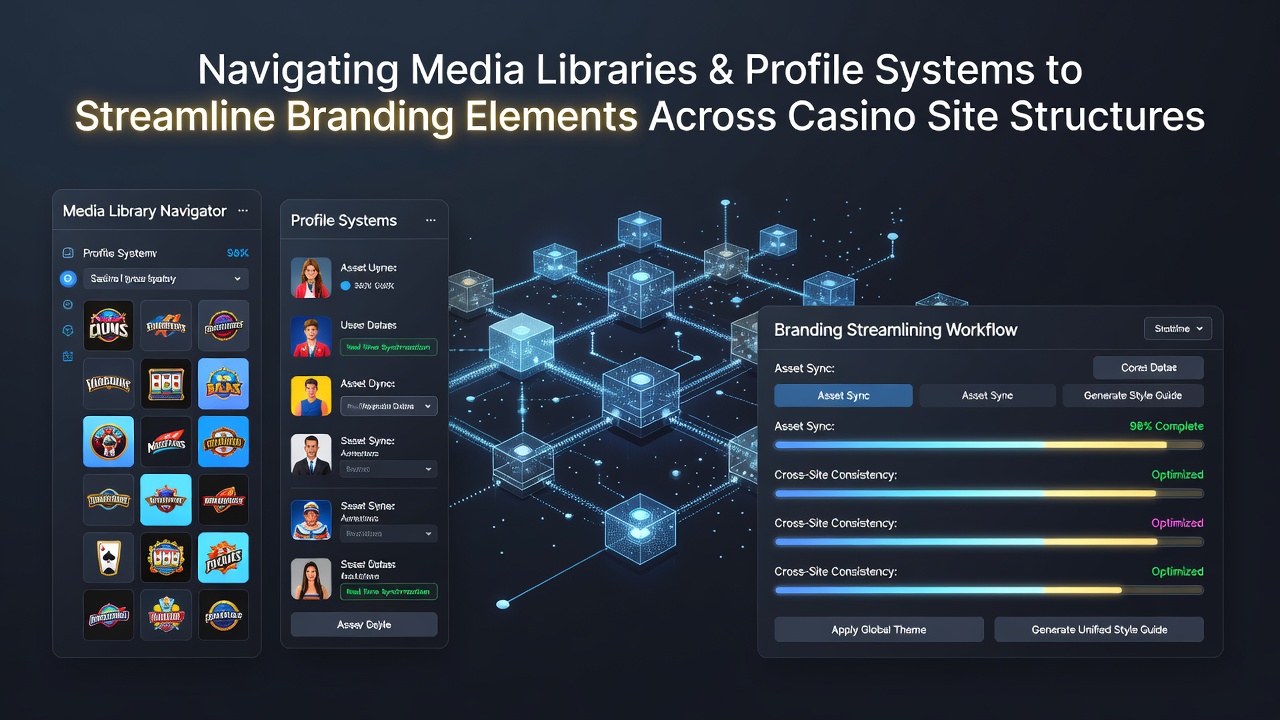
Media libraries serve as central repositories where operators store and retrieve visual assets that define casino branding across multiple site structures, while profile systems manage author and staff details to maintain consistent messaging. These tools work together when teams organize files by category such as logos, banners, promotional graphics, and character profiles that appear on review pages or blog sections. Data from industry reports shows that structured asset management reduces duplication errors by up to 40 percent in large-scale iGaming operations.
Organizing Media Libraries for Consistent Branding
Operators begin by creating folder hierarchies inside media libraries that mirror the site architecture, separating elements like header graphics from footer icons and game thumbnails. This approach allows quick updates when branding guidelines shift, because a single file change propagates across connected pages without manual intervention on each template. Researchers at the University of Nevada, Las Vegas have documented how centralized libraries cut revision cycles from weeks to days in multi-site casino networks. File naming conventions follow patterns that include site identifiers, asset type, and version numbers, so teams avoid conflicts when multiple editors upload similar images.
Metadata fields attached to each asset further support branding consistency by tagging items with usage permissions, color palettes, and target regions. Systems then enforce rules that prevent mismatched logos from appearing on localized versions of a casino platform. In practice, one operator handling European and North American domains reported fewer compliance flags after implementing these tags, according to findings shared by the European Gaming and Betting Association.
Profile Systems and Their Role in Brand Voice
Profile systems extend beyond simple author bios by storing credentials, writing samples, and approved terminology lists that keep content aligned with overall branding. Editors assign roles that limit access to specific media folders, ensuring only verified team members can alter high-visibility elements such as welcome banners or bonus promotion images. This layered permission structure proves especially useful when casino sites operate separate review sections, news feeds, and affiliate landing pages under one parent brand.
Studies indicate that platforms integrating profile data with media libraries achieve higher consistency scores because authors automatically receive suggested assets based on their assigned topics. For instance, a reviewer writing about slot mechanics receives prompts to pull from a pre-approved graphics set rather than searching freely. The result appears in uniform visual language across articles even when multiple writers contribute on the same day.
Integration Across Multiple Casino Site Structures
Modern casino networks often run several domains that share core branding yet require regional adjustments for currency, language, and regulatory tone. Media libraries equipped with sync features push approved assets to all connected sites while allowing overrides for local compliance needs. Profile systems feed author information into structured data fields so search engines recognize consistent expertise signals across the network. Observers note that this shared infrastructure becomes critical during expansion phases when new sites launch under the same parent brand.
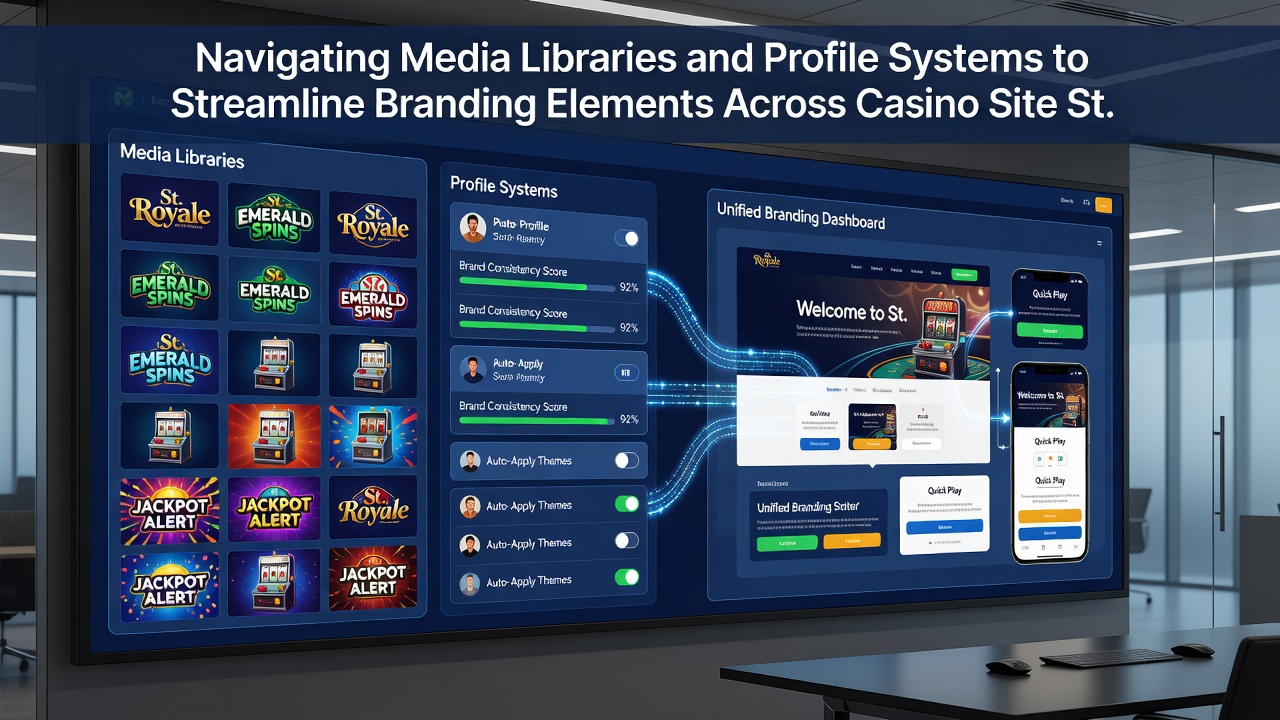
August 2026 marks the rollout of updated digital asset protocols in several North American jurisdictions that require timestamped version control for all promotional images. Operators who already maintain detailed media libraries and linked profiles report smoother transitions because their existing workflows already track changes and approvals. Those protocols also encourage cross-site profile visibility, allowing readers to follow the same author across different casino portals without encountering conflicting bios or outdated photos.
Practical Workflows That Reduce Errors
Teams that succeed in streamlining branding follow repeatable steps: first they audit existing assets for duplicates and outdated versions, then they map every profile to the correct media folders, and finally they test automated publishing rules on staging environments before going live. Automated alerts notify managers when a profile attempts to use an unapproved image, which cuts last-minute corrections during high-traffic periods such as tournament launches. Evidence from Canadian regulatory filings shows that sites with these checks experience fewer branding discrepancies during audits.
Another effective practice involves quarterly reviews where content leads compare live site elements against master library versions. Discrepancies trigger immediate updates that propagate through the profile-linked templates. The process keeps visual identity intact even as new games and promotions enter the catalog each month.
Conclusion
Effective navigation of media libraries combined with robust profile systems creates a foundation for consistent branding across diverse casino site structures. Operators who invest in organized folders, detailed metadata, and role-based permissions see measurable reductions in revision time and compliance issues. As platforms scale and new regulatory expectations emerge in 2026, these integrated tools continue to support unified brand presentation without sacrificing operational flexibility.